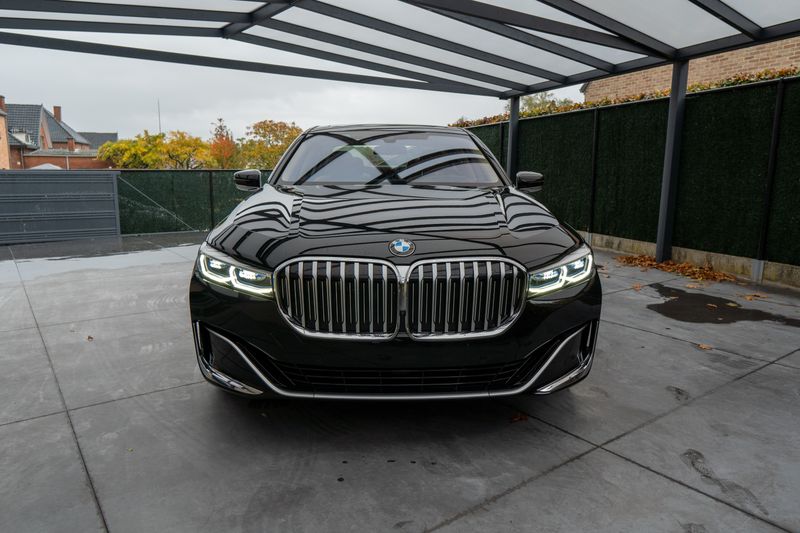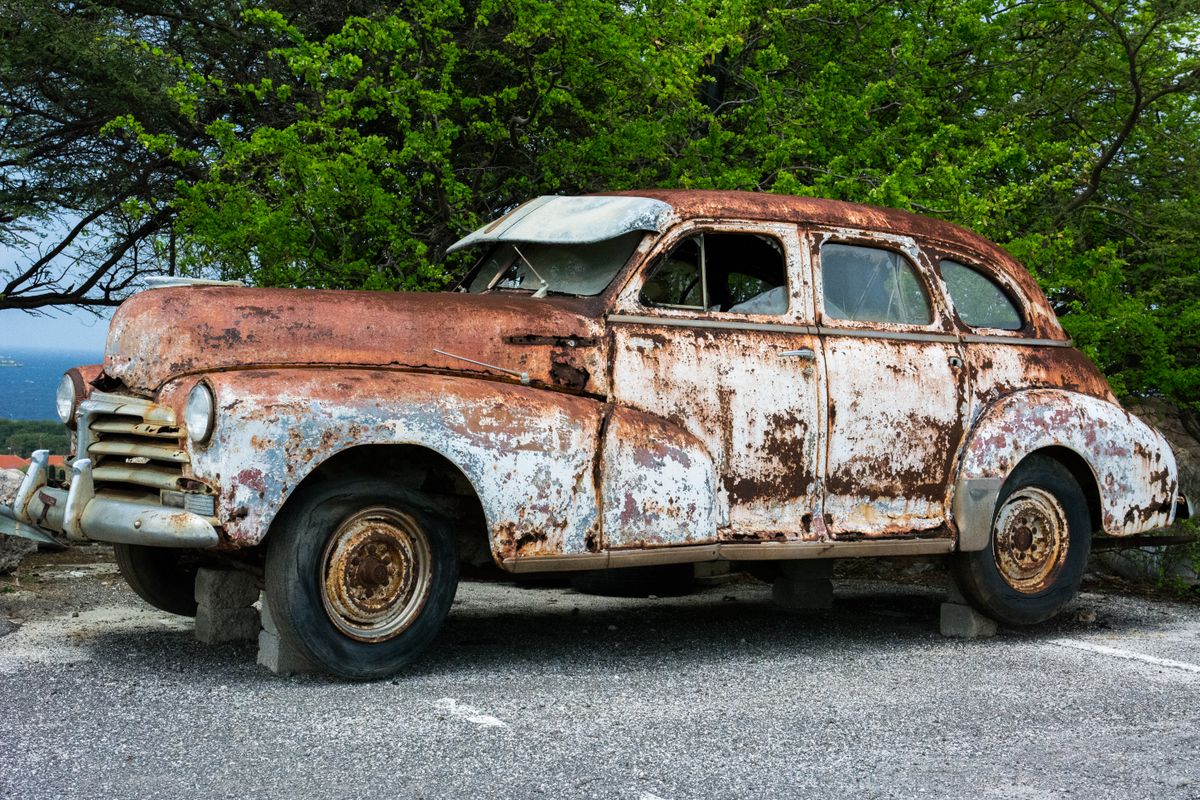
Almost every car loses value from the day it is bought, and it keeps losing value every year after that. Depreciation matters for insurance as much as for resale, because your car's value sets the most your insurer will pay if the car is totaled or stolen. As that value falls, the right mix of coverage can change too. Here is how depreciation and coverage connect, and how to tell when it is time to adjust.
Actual cash value: what your insurer pays
Collision and comprehensive coverage usually pay up to your car's actual cash value (ACV), minus your deductible. Actual cash value is what the car was worth just before the loss, not what you paid or what a new replacement would cost. Insurers generally estimate it from recent sales of similar vehicles in your area, then adjust for mileage, condition, options and any prior damage.
When repairs would cost too much compared with the car's value, the insurer declares a total loss and pays the actual cash value instead of fixing the car. Each state sets its own rule for when a car counts as a total loss, often a percentage of its value or a formula. Because an older car is worth less, a smaller repair bill can push it over that line.
How depreciation shrinks a total-loss payout
Because the payment is based on the car's value on the day of the loss, the same crash can lead to very different checks as a car ages. For illustration, suppose your car is worth about $6,000 and you carry a $1,000 collision deductible. If the car is totaled, the most collision would pay is about $5,000. A few years later, if the car is worth about $4,000, the most it could pay drops to about $3,000, even though the premium for the coverage may not have dropped nearly as much.
If you have a loan, the insurer usually pays the lender first, up to what you owe, and sends you anything left over. If you owe more than the car is worth, the check may not clear the loan, and you would still owe the rest.
If you disagree with a valuation, ask how the insurer reached the figure and which comparable vehicles it used. Listings for similar cars nearby, maintenance records and receipts for major work can support a higher value, and many policies describe an appraisal process for disputes.
Gap coverage when you owe more than the car is worth
Cars often lose value faster than a loan is paid down, especially with a small down payment, a long loan term or an old balance rolled into the new loan. Owing more than the car is worth is called being "upside down" or having negative equity. Gap coverage pays the difference between the car's actual cash value and what you still owe on the loan or lease after a total loss.
Many insurers sell gap coverage as an add-on, and dealers and lenders offer their own versions, sometimes called a gap waiver. Many leases already include it. Terms differ: some versions do not cover your deductible, and many do not pay late fees, overdue payments or extras such as extended warranties added to the loan. Once your loan balance falls below the car's value, gap coverage has nothing left to pay, so that is a good time to ask about removing it.
New car replacement coverage
Gap coverage protects you from owing money on a car you no longer have. New car replacement solves a different problem: it pays to replace a totaled car with a new one of the same make and model, instead of paying actual cash value. Insurers that offer it usually limit it to cars in their first model years or under a mileage cap, and some require that you be the first owner, so it typically ends as the car ages. Our guide to coverage for new car owners compares the two options side by side.
How coverage needs change as a car ages
| Stage | What usually matters | Questions to ask |
|---|---|---|
| New or nearly new | Collision and comprehensive; gap coverage if you owe more than the car is worth; new car replacement if offered | What does my loan or lease require? Is gap coverage already included? |
| Loan mostly paid down | Collision and comprehensive; gap coverage may no longer be needed | Is my balance now below the car's value? Would a higher deductible make sense? |
| Older and paid off | Whether collision and comprehensive are still worth their cost | Could I repair or replace the car from savings? What would dropping each coverage save? |
When dropping collision may make sense
As a car ages, the most collision and comprehensive can pay keeps shrinking, while the premium for them may not fall as quickly. Dropping collision, or both coverages, may be worth pricing when:
- The car is paid off, so no lender or leasing company requires the coverage.
- You could repair or replace the car from savings without real hardship.
- The yearly cost of the coverage passes about a tenth of the car's value. That common rule of thumb is a prompt for a closer look, not a rule.
- Your deductible is close to the car's value, so a claim would pay little.
Before you drop anything, consider a middle step. A higher deductible lowers the premium while keeping protection against a large loss. Keeping only comprehensive can also make sense, since it often costs less and still covers theft, hail, fire, flooding and hitting an animal. Ask which combinations your insurer allows. The Coverage Calculator puts the cost and the most the coverage could pay side by side, and Comprehensive vs. Collision explains what each one covers.
What should not change as your car ages
Depreciation affects only the coverages that pay for your own car. Liability coverage pays when you damage someone else's property or injure someone, and those costs have nothing to do with what your car is worth. The same goes for uninsured motorist and medical coverage. Keep these at levels that protect your savings and household, even when you trim coverage on an older car. The Coverage Levels Guide explains how to choose limits.
Your next step
Look up your car's approximate value in a used-car pricing guide and compare it with what collision and comprehensive cost each year on your declarations page, and with your loan balance if you have one. Then ask your insurer or agent for quotes with a higher deductible and with each coverage removed, and line them up in Compare Quotes. Repeat the check at each renewal. If you would like help comparing offers, see the plans on Start Your Coverage.
This article is general information to help you understand auto insurance. It is not insurance, legal or financial advice, and AutoAssures.com is not an insurance company. Coverage, prices and rules vary by insurer and state; confirm details with a licensed agent or insurer.