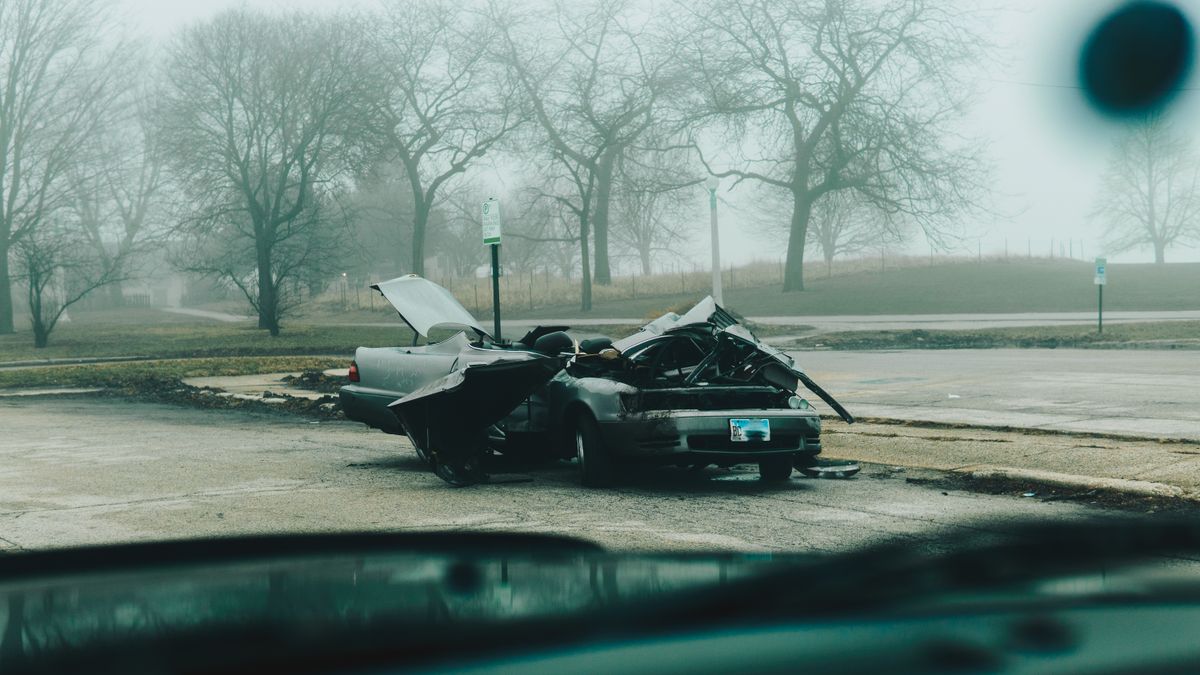
Even a minor accident can leave you shaken. It helps to keep a simple order in mind: safety first, then information, then the insurance steps. For a short list to use at the scene itself, see What to Do After a Collision.
| When | What to focus on |
|---|---|
| At the scene | Safety, calling for help, trading information and taking photos |
| Later that day | A medical checkup, telling your insurer and any required reports |
| The first few days | The claim, the inspection, repairs and a rental car |
| The weeks after | Records, follow-up calls and the final settlement |
At the scene: safety first
Stop your car. Every state requires drivers involved in a crash to stop, and leaving the scene can be a crime even when the damage looks small. Then:
- Check for injuries in yourself, your passengers and the people in the other vehicle.
- Call 911 if anyone is hurt, if you see smoke or leaking fuel, or if the cars are stopped somewhere dangerous.
- Make the scene visible. Turn on your hazard lights and set out flares or reflective triangles if you carry them.
- Get out of traffic if you can. If nobody is hurt and the cars can be driven, many states expect you to move them to the shoulder or a nearby lot. If it is not safe to get out, stay in the car with your seat belt on until help arrives.
Call the police and trade information
A police report is an independent record of what happened, and insurers rely on it. Call even for a minor crash when you can. In some areas officers do not come out for small crashes without injuries; if that happens, ask how to file a report online or at a station. Our Accident Reporting Steps guide explains who else may need a report.
While you wait, collect these details from every driver involved:
- Full name and phone number
- Insurance company and policy number
- Driver's license number and license plate number
- Vehicle make, model and color
- The owner's name, if the driver does not own the car
- Names and phone numbers of any witnesses
Before you leave, write down the officer's name, badge number and the report number. Stay calm and polite, stick to the facts and leave the question of fault for later.
Take photos before anything moves
If it is safe, photograph every vehicle from several angles, including license plates and close-ups of the damage. Then step back and capture the wider scene: the intersection, traffic signs and signals, skid marks, debris, road conditions and the weather. With the other driver's permission, photograph their license and insurance card too. A quick voice memo, recorded while events are fresh, helps you describe them accurately later.
Get checked by a medical professional
Adrenaline can mask pain, and injuries such as concussions and neck or back strain sometimes take hours or days to show. Seeing a doctor the same day, or as soon as you can, protects your health and creates a record that links any injury to the crash. Keep every bill, receipt and visit summary.
In a no-fault state, your own personal injury protection (PIP) pays your medical costs first, whoever caused the crash, and some states require you to get treatment within a short window to use it. Insurance Types Explained covers PIP and MedPay.
Tell your insurance company
Call the claims number on your insurance card or app, or contact your agent, as soon as you reasonably can. Most policies require prompt notice of any accident, even one you did not cause or do not plan to claim for. If the other driver files a claim or a lawsuit later and your insurer never heard about the crash, late notice can put your coverage at risk.
Have your policy number, the date, time and place, a short description and the other driver's details ready. You will receive a claim number; use it every time you call or write. Filing Claims 101 explains each step that follows.
AutoAssures.com is not an insurance company and cannot open or manage a claim for you. Always contact your insurer or agent directly.
The first few days: repairs and a rental
- Talk with the adjuster. When the person assigned to your claim asks for a statement, describe what happened factually and do not guess.
- Arrange the inspection. Insurers inspect damage in person, at a drive-in center or from photos sent through an app. Hold off on repairs until the insurer approves them, apart from small steps that prevent more damage, such as covering a broken window. Keep those receipts.
- Find your car if it was towed. Storage lots often charge by the day, so ask your insurer about moving the car to a repair shop quickly.
- Choose a repair shop. Many states let you pick your own shop, though your insurer may suggest shops it works with.
- Sort out a rental. Rental reimbursement coverage pays for a rental within daily and total limits after a covered claim. If the other driver was at fault, their insurer may pay for a comparable rental while your car is repaired.
Also check whether your state requires its own written crash report. Some states want one within days when a crash involves injuries or damage above a set amount.
Keep a claim file
A folder or a note on your phone is enough. Keep:
- Claim numbers from your insurer and the other driver's insurer
- Adjuster names, phone numbers and email addresses
- A call log with the date, who you spoke to and what was agreed
- The police report, your photos, notes and witness contacts
- Estimates, repair invoices and towing or storage receipts
- Medical bills, records and any time missed from work
- Rental receipts and other out-of-pocket costs
Once the claim is settled
Review your coverage while the details are fresh. Was your deductible easy to pay? Did you have rental reimbursement? Were your liability limits high enough? The Coverage Needs Worksheet and the Deductible Calculator can help you decide what to change, and if your premium rises at renewal, Compare Policies shows how to shop around fairly.