

Drive Safe, Drive AssuredGet your free quote and updates on the lowest auto insurance deals.

Uninsured and underinsured motorist coverage protects you from other drivers' gaps

Not every driver on the road carries insurance, and plenty carry only a small amount. Uninsured and underinsured motorist coverage steps in for your injuries, and sometimes your car, when the driver who hits you can't pay for the harm they caused.

Confident businessman in suit making a phone call indoors, smiling
Free to useNo obligation
Who usually needs itAlmost every driver, since you can't choose who hits you
Pays forYour injuries and some losses when an at-fault driver can't pay
Does not pay forDamage you cause to others, or your at-fault crashes
Worth pairing withMedical payments or PIP, plus collision for your car

When uninsured motorist coverage comes into play

When the other driver can't pay. A few everyday situations where it matters, described in general terms. Your policy wording and state rules decide the details.

A diverse team collaborating and brainstorming in a modern office setting
01

A driver with no insurance

Someone runs a stop sign and T-bones your car, then admits they let their policy lapse months ago. Your uninsured motorist coverage can pay for your injuries, and in some states your car damage too.

02

A minimum policy runs out

The driver who hit you has a policy, but only at the state minimum. Your surgery and missed work cost far more. Underinsured motorist coverage can help pay the difference, up to your own limits.

03

Struck while walking

You're crossing a parking lot on foot when a driver backs into you and drives away. In many cases, uninsured motorist coverage can still apply even though you weren't in your car at the time.

04

A hit-and-run on the highway

A car clips your rear quarter panel, sends you onto the shoulder, and speeds off before you catch the plate. Many policies treat an unidentified driver as uninsured, though rules on proof and reporting vary by state.

This coverage in brief, and when it matters

Uninsured motorist coverage (often shortened to UM) pays for your losses when a driver who is at fault has no insurance at all. Underinsured motorist coverage (UIM) helps when the at-fault driver has insurance, but not enough to cover the harm they caused. The two are often sold together.

This is coverage for you and the people in your car, not for the other driver. That makes it different from most of what you buy on an auto policy. You can control your own driving and your own limits. You can't control whether the person who runs a red light has a valid policy or only the legal minimum.

Think about the injuries more than the car. A crash that leaves you with a broken bone can mean medical bills, missed paychecks and months of follow-up care. If the driver who caused it has nothing to pay with, UM and UIM are often what stand between you and those costs.

Some states require UM or UIM, some require insurers to offer it and let you decline it in writing, and some leave it optional. That varies a great deal, so ask what applies where you live.

Covered vs. not covered: the usual lists

Depending on your policy and state, UM and UIM can pay for:

  • Medical bills for you and your passengers
  • Lost wages while you recover
  • Pain and suffering, in states that allow it
  • Damage to your car (uninsured motorist property damage, where offered)
  • Injuries from a hit-and-run driver, in many states

It generally does not pay for:

  • Damage or injuries you cause to someone else
  • Your car's damage when collision already covers it, under some policies and state rules
  • Losses above your UM or UIM limits
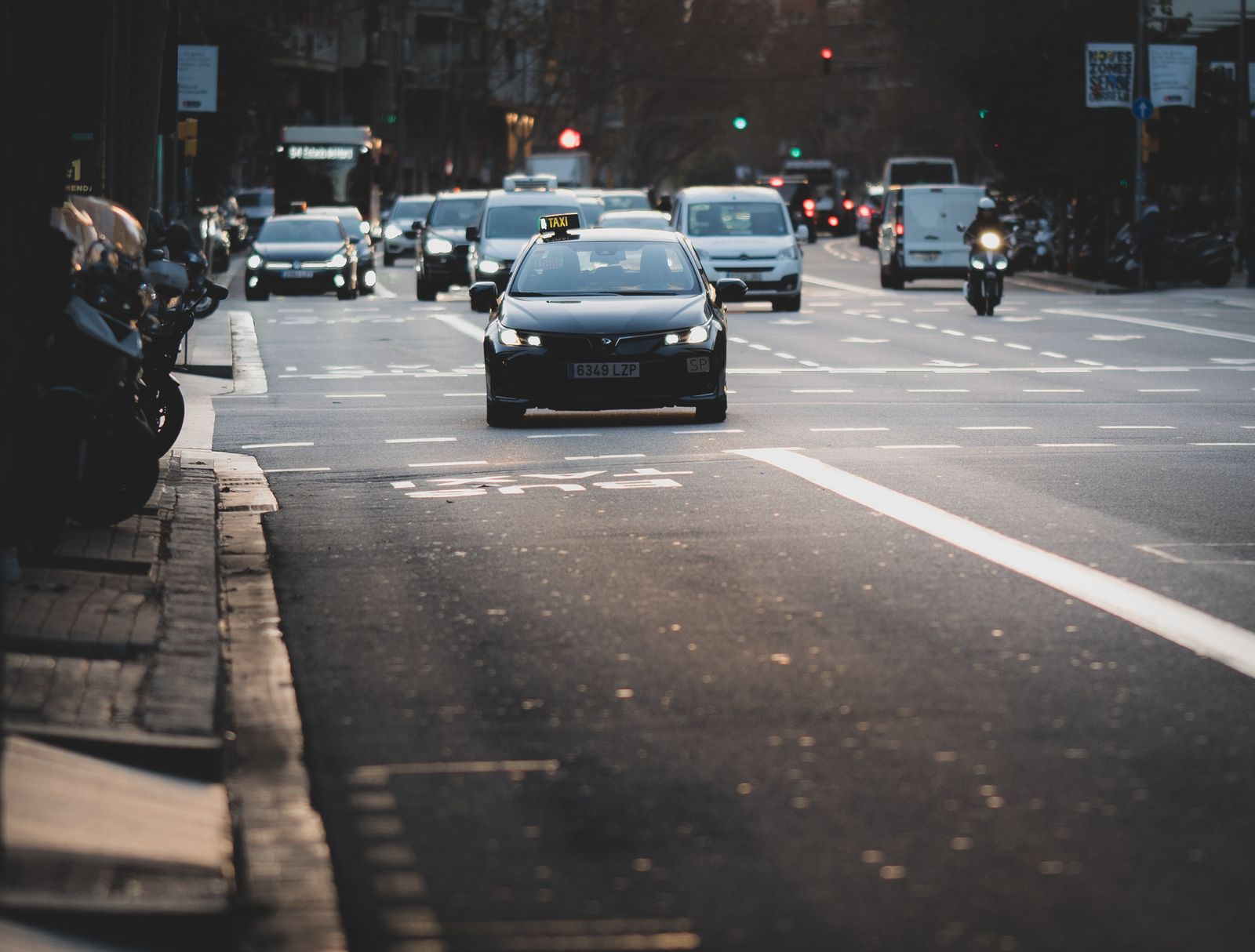
A view of city traffic captured through a chain link fence at dusk

The numbers that set your price

UM and UIM limits are usually shown the way liability limits are, with a per-person and a per-accident amount. Many insurers let you match your UM limits to your liability limits, and some states require them to offer that match. Uninsured motorist property damage may carry its own deductible.

Some states also allow stacking, which lets you combine UM limits across more than one car on a policy, or across policies. Stacking can add real protection, and it usually costs more. Whether it's available, and how it works, depends on your state and your insurer. Underinsured coverage can also be calculated in different ways, either paying on top of the other driver's limits or being reduced by them, so ask how each policy handles it.

Price varies too. Each insurer prices UM and UIM differently, and the cost depends partly on how common uninsured drivers are in your area and on the limits you choose. Because it protects your own household, many people see it as a coverage worth keeping even when they trim elsewhere. Compare it at the same limits on every quote.

Timing, and what happens after you submit the form

After a crash with an uninsured or hit-and-run driver, reporting rules matter. Many policies and states expect you to notify the police and your insurer promptly, and the deadlines for a UM claim differ by state and by policy. Read your policy, and call your insurer as soon as you reasonably can.

Gather what you can at the scene: photos, witness names and phone numbers, and any detail about the other car. If the other driver does stop, get their name, license and insurance information, even if they insist they are covered.

If you want to review your UM and UIM options, fill in the AutoAssures form once and we follow up with your free quote. You compare at your own pace. It's free to use, with no obligation to buy anything. Ask whether stacking is offered and whether your UM limits can match your liability limits.


Questions to ask before you buy

Ask the same questions about every quote you get, and write the answers down side by side. It's the quickest way to compare fairly.

  1. Can my uninsured motorist limits match my liability limits on this quote?
  2. Is stacking available in my state, and what would it cost?
  3. Does this policy include uninsured motorist property damage coverage?
  4. How does this policy handle hit-and-run claims with no identified driver?
  5. What do I need to report, and to whom, after a hit-and-run?
TipCheck your declarations page for UM and UIM limits today, because a line marked rejected is easy to miss for years.

Uninsured Motorist: what people ask

General information only. This guide is not insurance advice. Coverage rules and prices vary by state and insurer, and your policy controls.

Health insurance can help with medical bills, but it may leave you with deductibles, copays and no help with lost wages or pain and suffering. UM and UIM can fill some of those gaps, and they can also protect your passengers, who may not share your health plan. How the two work together depends on your policies and state, so ask your agent or insurer to explain it.

Uninsured motorist coverage applies when the at-fault driver has no insurance at all, or in many states when the driver can't be identified, as in a hit-and-run. Underinsured motorist coverage applies when the at-fault driver has insurance, but their limits are too low to cover your losses. The two are often sold together, and the exact rules differ by state.

In some states you can, usually by signing a written rejection. In others it's required, and you can't. Before declining, think about who you'd be counting on if a driver with no insurance hurt you. If you rejected it years ago, you may be able to add it back at renewal. Ask what's allowed where you live when you get your quote.

Sometimes. Uninsured motorist property damage is a separate piece that's available in some states and not others, and it may carry its own deductible. If your policy includes collision, that can also pay for your car's repairs no matter who caused the crash. Ask which coverage on each quote would respond to car damage after a crash with an uninsured driver.

Ready when you are

Free · No obligation · About 3 minutes

Get your free quote

Fill this in once, and we follow up by phone or email with your free auto insurance quote.

1Your car
Enter a 5-digit ZIP code.
Choose the model year.
Vehicle type
Pick the closest vehicle type.
2Your coverage
Are you insured right now?
Let us know either way.
3How we can reach you
Enter your first name.
Enter your last name.
Enter a valid email address.
Enter a 10-digit US phone number.

AutoAssures.com does not sell, rent or share your personal information with third parties or affiliates for their marketing or promotional purposes.

Sending your request securelyThis takes a few seconds.

Request received. Thank you!

We'll follow up by phone or email about your free auto insurance quote, using the details you gave us. There's no obligation to buy.

  • Have your current declarations page handy, if you have one.
  • Compare any offer on the same limits and deductibles you have now.
  • Reply STOP to any text to opt out at any time.
Read while you wait

Guides and articles nearby